
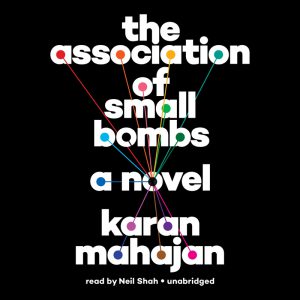
 Young Indian, now Texas-based writer Karan Mahajan invites the reader to a trip into India’s guts. The novel starts with a bomb blast in Delhi on a very crowded market in 1996. Among the dead are two young brothers, Tushar and Nakul, while their best friend Mansoor miraculously survives, only slightly wounded. The incident will divide the two befriended families over the years to come, as ethnic and religious tensions grow over the Kashmir conflict and the rise of the Hindu extremists to power in Indian politics becomes a disturbing reality. Mahajan’s trick is to empathize with everyone involved in the blast: the bomb builder, the terrorist network as well as the victims. Doing this, he makes the reader reach a level of understanding of the human conflicts behind the actual event that goes way beyond the “normal” description of terrorism in fiction or in documentaries. In following up how the families evolve, disintegrate and come together again, he marvellously describes the shock waves sent by just one tiny bomb. In a way, Mahajan becomes the bomb by writing about it. A book worth reading not only to dive into the Indian subcontinent’s universe; “The Association of Small Bombs” is also deep-rooted in humanity.
Regisseur Michelangelo Antonioni: Der Weg in die filmische Moderne
Michelangelo Antonioni ist ein Name, der für den Film ebenso wichtig ist wie Marguerite Duras für die Literatur oder Giorgio de Chirico für die Malerei. Zweifelsohne gilt der italienische Regisseur als einer der bedeutendsten Modernisierer*innen des Kinos in Europa nach 1950. Sein Werk prägt die internationale Filmgeschichte. Die Bedeutung von...